
Police used batons 'in a generalised way', the Ombudsman's monitors say
The monitoring body says officers struck heads, sternums and spines in the 1 November clearance. The PSP rejects the finding, and Porto's police operations are under investigation.
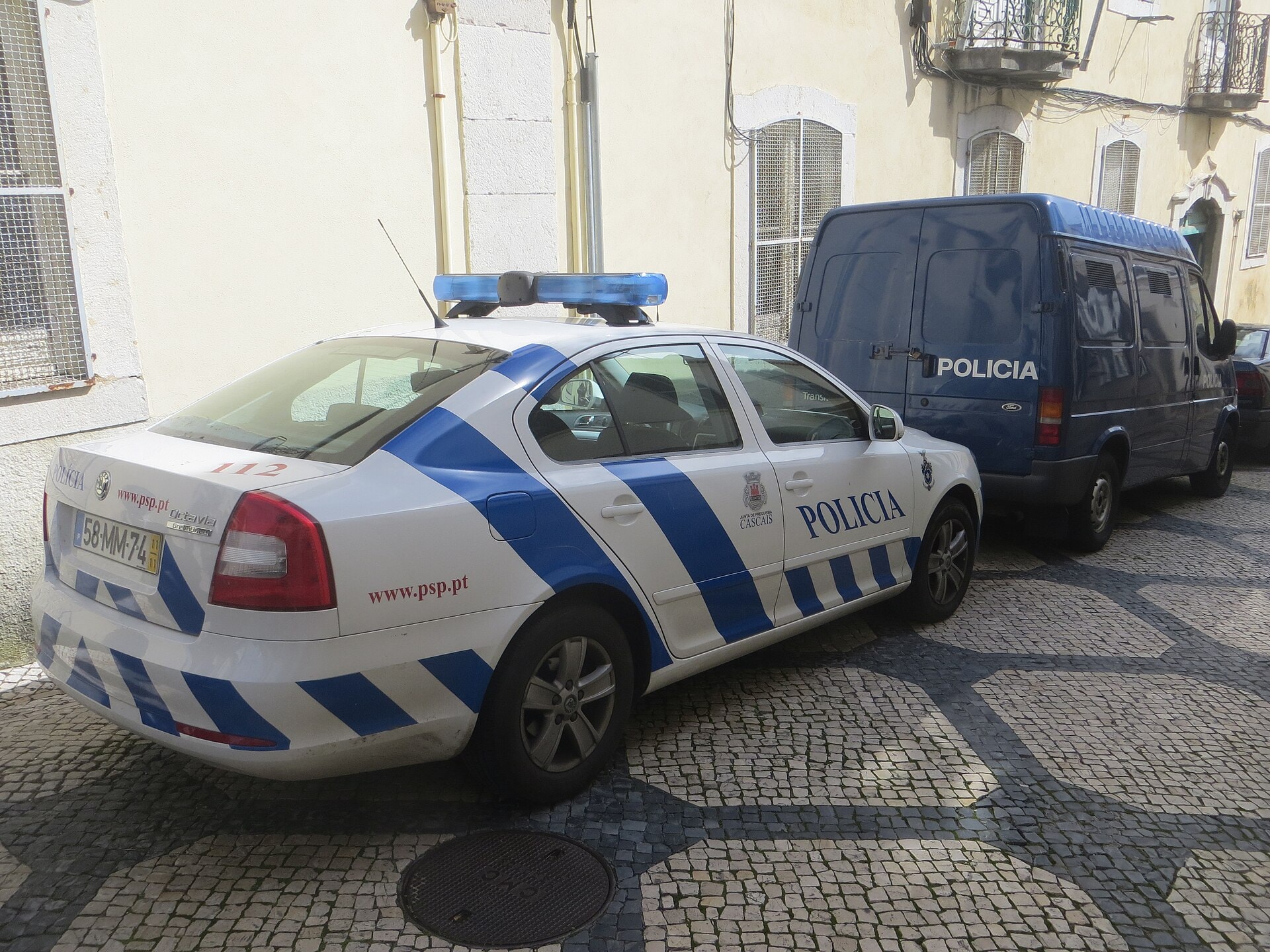
The Mecanismo Nacional de Prevenção, the monitoring body inside the Ombudsman's office, says PSP officers used batons in a generalised way to clear the housing camp in Lisbon's Rossio. Its report, published on Thursday, records blows to the head, the sternum and the spine, areas the PSP's own rules call red zones, and blows struck at people who were not resisting or were already walking away.
The team was in the square when the police moved in at about 4.30am. The operation began with the removal of the tents, which were empty and stood between the police line and the protesters. The officers advanced behind their shields. About 40 seconds later, the report says, the batons came out. Most of the blows the monitors saw were angled and hit less risky parts of the body.
The dispersal warnings were inaudible to part of the crowd, so the team could not be sure everyone heard them. And at Martim Moniz, where the detainees were taken, officers at first stopped a paramedic reaching an injured protester, letting him through only after the monitors intervened.
The report makes 12 recommendations to the PSP's national directorate. Baton use should stop being generalised or indiscriminate and answer a concrete, current need for force, even inside a collective order from commanders. No blows at people who are not violent or are already restrained. Visible identification on the front of special-unit uniforms. A record of every use of force, even when nobody is hurt. Medical help let in at once, and no handcuffs inside the transport van.
JN, which read the report, notes that the monitors saw no body cameras in use and were told some officers had bought GoPros themselves, and that the government has promised 5,200 body cameras to the PSP and the GNR by the end of 2026 or the start of 2027.
The PSP rejected the findings the same day. The baton use, it said, was "circumscribed to the circumstances that justified it", and it denied that it had been generalised or indiscriminate. It said protesters threw glass bottles, firework devices and paint before any physical contact, that the order to disperse was given by megaphone three times after hours of dialogue, and that medical help reached everyone who needed it. It said the officers belonged to the Corpo de Intervenção rather than the rapid intervention teams the report names, and that the numbers on their helmets identify them.
The interior ministry said it would analyse the report "with due attention", reaffirmed its confidence in the PSP and said any breach of the rules on force "should have the consequences the law provides". It pointed to inquiries at the IGAI, the police inspectorate, and the Ministério Público.
Porto is a separate matter. The clearances in Porto, where the camp has held the Praça D. João I since 10 October, are with prosecutors. The Procuradoria-Geral da República says inquiries are open into police action on 15 October in Porto, 20 October in Lisbon, and 25 October and 1 November in both cities. The IGAI has its own process into the operations of 25 October, when officers used dogs and batons and 31 people were detained. The PSP counted 11 injured that night, eight protesters and three officers. JN said more than 50 people were hurt.
On 1 November, 13 people were detained across the two cities, and the PSP counted 13 officers injured in Porto. The camps keep a running count: 99 people detained and 168 injured, 52 in Lisbon and 116 in Porto.
The Ministério Público has asked the Constitutional Court whether article 11 of a 1974 decree-law, which sets 12.30am as the limit for gatherings, is constitutional. The limit stays in force until the court decides.
On Tuesday the interior minister, Luís Neves, said running the camps is an administrative matter for the two councils, because the risk that existed in the past is gone. In Porto, people were still sleeping on the square that night. The camp has agreed to meet the council to discuss sharing the space with the Christmas ice rink.
The daily digest
Porto’s news in one email
Everything worth knowing from Porto and Portugal, in English, six mornings a week.
Get the daily digest →Opens downriverporto.substack.com. Unsubscribe any time.